
- Both are DRSKIN long-sleeve round-neck shirts in 92/8 polyester-spandex, sold three to a pack.
- The HOT Round adds a fleece lining for heat retention in cold weather.
- The regular SBB01 is lighter and listed as cool in summer, warm in winter.
- Only the regular shirt lists a UV figure: 98.8% blocking.
- Pick thermal for cold outdoor sports; regular for year-round training.
A thermal compression shirt and a regular one can look identical in photos, yet they suit very different days. DRSKIN sells both as black long-sleeve 3-packs, which makes this one of the cleanest comparisons in the range.
Here we set the fleece-lined HOT Round 3-pack against the standard Round SBB01 3-pack, using only what each listing states. The goal is simple: tell you which to buy for your climate and sport.
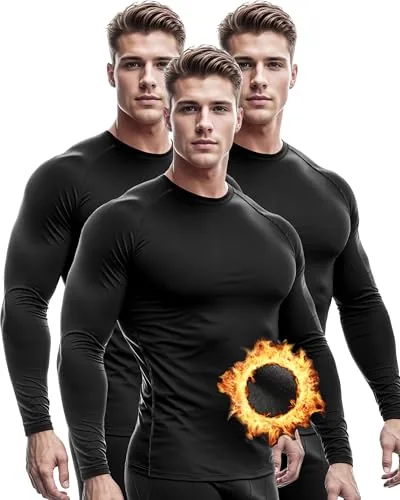
DRSKIN 3 Pack Men's Thermal Compression Shirts Fleece Lined Base Layers Underw
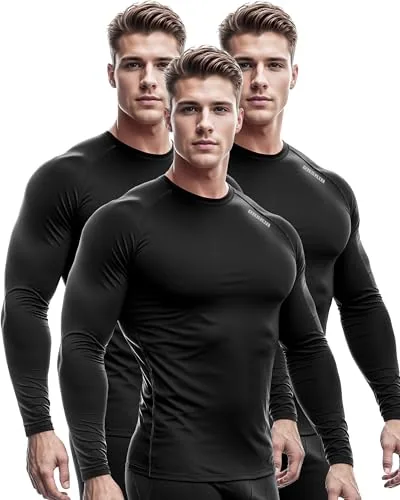
DRSKIN 3 Pack Men's Compression Shirts Top Long Sleeve Sports Baselayer Workou
Thermal compression shirt vs regular: the specs
On paper the two shirts share a cut and a fabric. The lining is the difference that matters.
| Spec | HOT Round 3P (thermal) | Round SBB01 3P (regular) |
|---|---|---|
| Fabric | 92% polyester, 8% spandex | 92% polyester, 8% spandex |
| Lining | ✓ Fleece lined | ✗ None |
| Sleeve | Long, round neck | Long, round neck |
| Pieces | 3 | 3 |
| UV claim | ~ Not stated | ✓ 98.8% blocking |
| Season pitch | Winter, cold weather | Cool in summer, warm in winter |
| Stretch | ✓ Four-way | ✓ Elastic, non-abrasion |
Shared fabric blend
Both listings state the same fiber split
DRSKIN 3 Pack Men's Thermal Compression Shirts Fleece Lined Base Layers Underw
Check price →DRSKIN 3 Pack Men's Compression Shirts Top Long Sleeve Sports Baselayer Workou
Check price →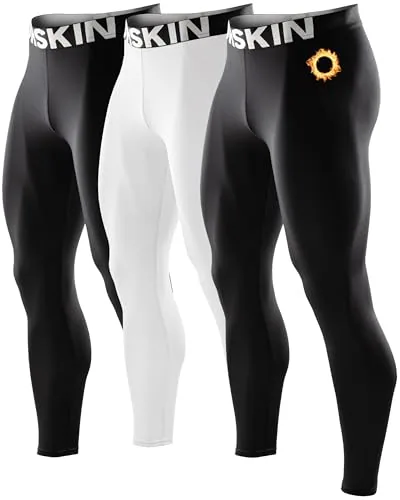
DRSKIN 3 Pack Men's Thermal Compression Pants Tights Fleece Lined Base Layers
Check price →Warmth and moisture
The HOT Round listing says its fleece-lined stretch fabric keeps you warm on cold winter days. It adds that the close-fitting style does better at retaining body heat.
Both shirts move sweat. The thermal listing describes moisture-wicking fabric that evaporates moisture fast, and the regular listing describes a quick and dry transport system.
In practice, the fleece adds warmth but also slows how fast heat escapes. That is ideal when you are moving in the cold and less ideal in a heated gym.
Sun protection
This is where the regular shirt pulls ahead. Its listing states 98.8% UV blocking, a useful figure for long summer sessions. The thermal listing does not mention UV at all, which makes sense for a winter layer but is worth knowing for spring skiing on bright days.
Which sports suit each shirt?
Thermal: cold-weather activity
DRSKIN lists cycling, running, hiking, climbing, basketball, baseball, skiing and ice hockey. The common thread is outdoor cold.
Regular: year-round training
The standard shirt lists training, baseball, basketball, soccer, football, squats, cycling, yoga, skiing and snowboarding. It is the more flexible of the two.
Overlap exists. Both shirts list basketball, baseball and skiing, so the deciding factor is the temperature you play in rather than the sport.
Outdoor work and commuting
The thermal top is not only for sport. A fleece-lined layer under a work jacket helps on early job sites, winter dog walks or a cold bike commute, and the stretch keeps it from bunching when you reach or lift.
The regular shirt suits indoor jobs and spring commutes, where a fleece layer would leave you too warm by mid-morning. It also works as a sun layer for summer yard work, thanks to the stated UV figure.
How to choose between them
- Climate: long freezing winters favor the thermal.
- Indoor vs outdoor: indoor training rarely needs fleece.
- Sun: the regular shirt is the one with a stated UV figure.
- Fit: both are cut close. Size up if you layer over other clothing.
- Budget: if you can only buy one pack, the regular shirt covers more days.
Want the legs covered too? The fleece-lined HOT Classic tights pair with the thermal top; see our thermal base layer picks. For the standard tights, read our DRSKIN compression pants review.
Browse the full shirts range or the pants range for single colors.
Fit, sizing and care
Both shirts are cut close to the body, and the thermal listing explains why: a close fit retains heat better. That also means the fleece version can feel a touch snugger, because the lining adds a little thickness.
If you plan to wear the thermal top under a jersey or between a mid layer and your skin all day, ordering one size up is a reasonable move. For training-only use, your usual size keeps the compression feel.
Care tips
- Wash cool and inside out to protect the fleece face.
- Skip fabric softener, which can clog moisture-wicking fibers.
- Air dry or use low heat to protect the spandex.
Can one shirt do both jobs?
Sort of. The regular shirt is listed as cool in summer with heat retention in winter, so it stretches across more of the calendar. Add a fleece mid layer and it handles many cold days.
What it cannot do is replace the fleece on long, slow, freezing sessions, such as a day on the ski hill or a winter hike with breaks. Those are the cases the thermal is built for.
If you live somewhere with short, mild winters, the regular pack is probably all you need. If winter lasts months, owning one pack of each lets you match the shirt to the forecast.
Buy the HOT Round thermal compression shirt if your training happens outside in real winter cold; the fleece lining is the whole point. Buy the regular Round SBB01 if you want one pack that works most of the year, plus a stated 98.8% UV figure for summer. Many people end up with both. More options are in our compression shirts guide.
FAQ
Is a thermal compression shirt worth it?
Yes, if you train outdoors in cold weather. The HOT Round version has a fleece lining that holds heat, which the regular shirt does not have.
Can I wear the thermal shirt indoors?
You can, but a heated gym may feel too warm. The regular shirt suits indoor training better.
Do both shirts fit the same?
Both are close-fitting long-sleeve round-neck cuts in the same blend. Size up if you want room for layering.
Which DRSKIN shirt has UV protection?
The regular Round SBB01 listing states 98.8% UV blocking. The thermal listing does not give a UV figure.
Are there matching thermal pants?
Yes. The HOT Classic 3-pack is the fleece-lined tight, with two black pairs and one white.
Can I layer a regular shirt over a thermal one?
You can, but two tight layers can feel restrictive. A looser fleece or jacket over the thermal works better.